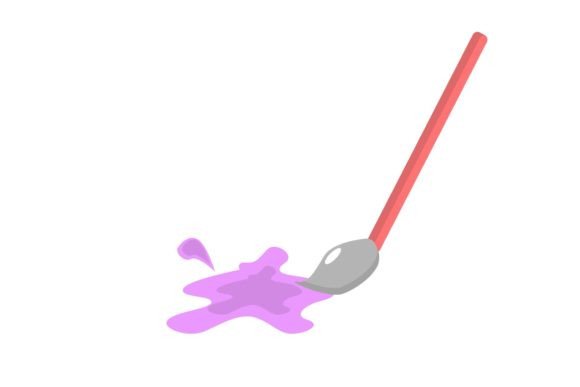
Watercolor Paint and Brush Vector Art: A Designer’s Review for Real Client Projects
First Impressions: Soft, Organic, and Timelessly Artistic
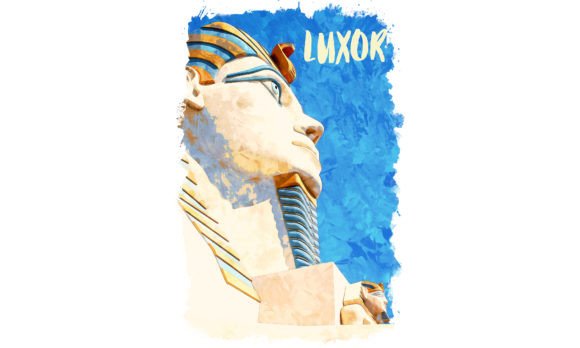
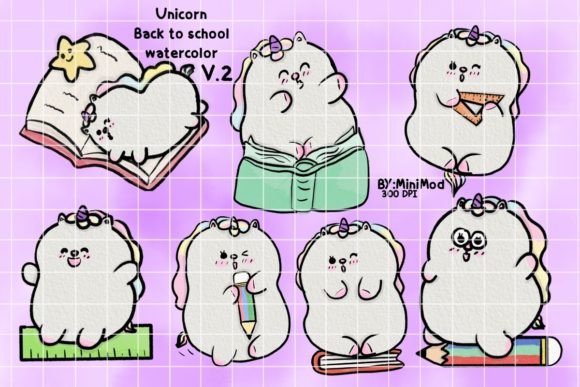
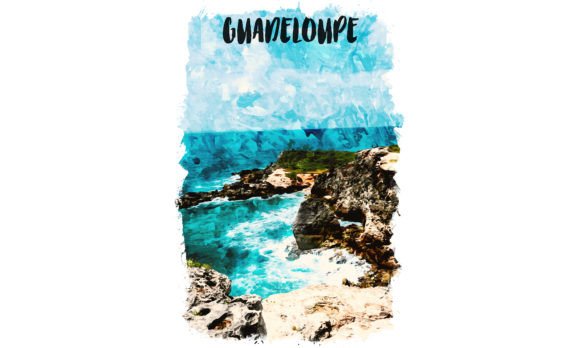
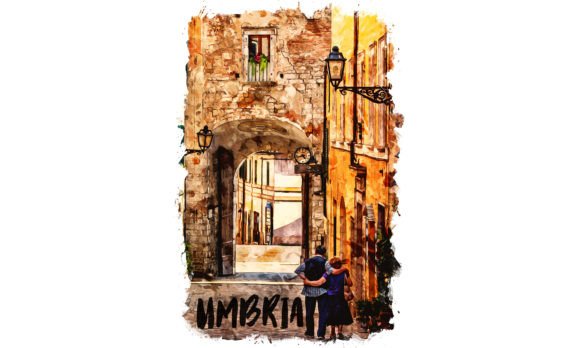
When I first opened the Watercolor Paint and Brush Vector Art file, I was struck by how effortlessly it evokes a handmade, painterly aesthetic. The textures are rich but not overwhelming, and the brush elements carry a sense of motion and spontaneity that digital assets often lack. It’s the kind of design asset that feels like it belongs in a curated collection of artisanal visuals—perfect for creatives who want to inject a touch of organic warmth into their work.
Matching the Asset to the Client: A Real-World Use Case
Recently, I worked with a client launching a line of natural skincare products. The brand identity needed to feel soft, trustworthy, and rooted in authenticity. Watercolor Paint and Brush Vector Art became a core part of the visual direction. We used the brush strokes as background elements in packaging design, and the paint splatters helped break up the layout in a way that felt intentional yet organic.
How It Performs Across Design Formats
This design asset shines in a variety of creative design applications. Here’s where I found it to be most effective:
- Logo design – As a supporting graphic, especially in brand extensions or sub-logos.
- Product labels – Adds a handcrafted feel without competing with key messaging.
- Packaging design – Ideal for decorative accents on boxes, tissue paper, or thank-you cards.
- Social media graphics – Works beautifully in Canva templates or Instagram posts needing a soft visual lift.
- Printable wall art – Perfect for Etsy sellers or digital creators offering seasonal or inspirational prints.
- Cricut projects – Easy to scale and cut for custom stickers, cards, or home decor items.
Where It Excels: Layouts That Breathe
Watercolor Paint and Brush Vector Art truly comes alive in large layout areas. Whether used as a hero graphic on a website or as part of a themed campaign visual, it brings a sense of movement and artistic depth. I found it especially effective in:
- Product mockups
- Decorative accents in editorial design
- Themed collections for seasonal marketing
- Supporting brand elements in digital ads or Pinterest pins
When to Use with Caution
Despite its beauty, this design asset isn’t a one-size-fits-all solution. I noticed that in smaller formats—like mobile app icons or minimalist business cards—the brush textures can get lost or appear cluttered. It’s best to avoid using it in:
- Small-sized print items
- Complex layouts with multiple visual layers
- Low-contrast designs (especially on textured backgrounds)
- Minimalist branding where clean lines and white space are key
- Professional corporate materials like annual reports or legal documents
Impact on Branding and Emotional Appeal
One of the biggest strengths of Watercolor Paint and Brush Vector Art is its emotional resonance. It naturally communicates creativity, softness, and authenticity—qualities that are especially valuable for small business branding or handmade businesses. Used strategically, it can enhance brand trust and recognition, especially when paired with complementary design elements like serif fonts or handwritten typography.
However, to maintain brand consistency, I recommend using it sparingly and always testing how it interacts with other design assets. It should support the brand, not overpower it.
Practical Designer Notes Before Use
Before finalizing any client project, here are the checks I ran to ensure the Watercolor Paint and Brush Vector Art was production-ready:
- Tested in black and white – Some textures can look muddy when desaturated.
- Checked contrast on light and dark backgrounds – Ensured visibility across all intended uses.
- Previewed at different sizes – Confirmed that small versions didn’t lose clarity.
- Placed on real mockups – Verified how it looked on packaging, apparel, and digital screens.
- Tested print quality – Especially important for print-on-demand sellers.
- Reviewed file formats – Both SVG and high-res PNG are essential for flexibility.
- Inspected transparency – If PNGs are included, check for clean alpha channels.
- Compared with fonts – Paired well with script and serif fonts, less so with ultra-modern sans serifs.
- Confirmed commercial licensing – Always double-check that the asset can be used for client work or resale.
Who Should Consider This Design Asset?
Watercolor Paint and Brush Vector Art is a strong choice for:
- Graphic designers building brand kits for creative businesses
- Marketers crafting seasonal campaigns with an artisanal touch
- Content creators designing social media templates
- Cricut users and digital sellers making printable designs
- Small business owners launching handmade or eco-friendly product lines
Final Thoughts: A Versatile Creative Workhorse
In the end, Watercolor Paint and Brush Vector Art proved to be more than just a pretty illustration. It’s a flexible, emotionally resonant design asset that, when used thoughtfully, elevates a wide range of creative projects. From logo concepts to packaging details and Canva templates, it adds a touch of artistic authenticity that digital-only graphics often miss.
As a designer, I appreciate assets that can perform across both digital and print mediums without losing quality. This one fits the bill—especially when you take the time to test and adapt it for each specific use case.