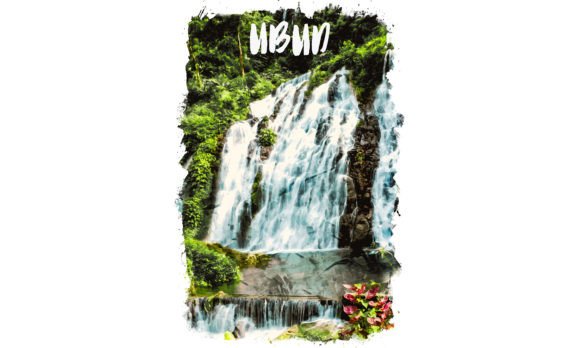
Ubud Asia Watercolor Illustrations for Digital Sellers
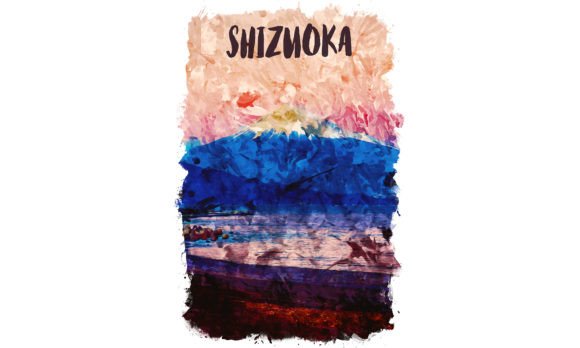
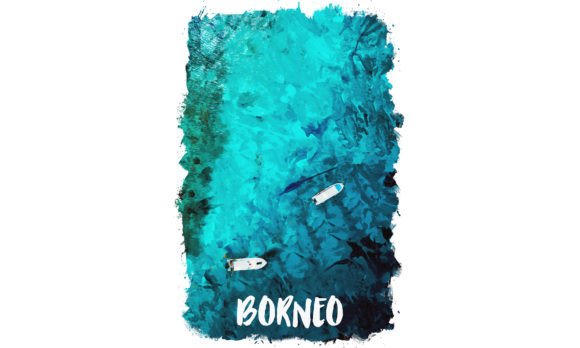
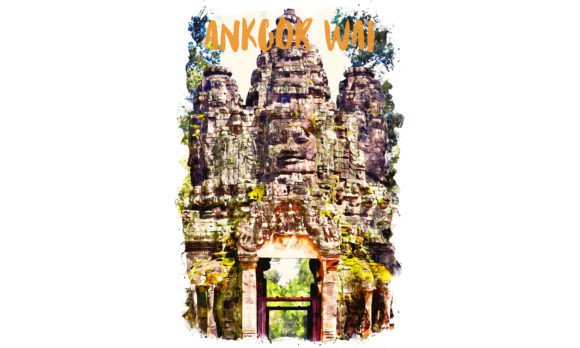
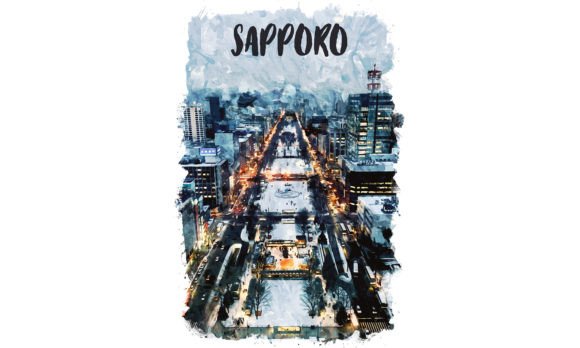
When I first downloaded the Ubud Asia Watercolor pack, I was immediately drawn to its soft, painterly textures and earthy tones. As someone who regularly creates digital products for Etsy, Canva templates, and print-on-demand stores, I always look for assets that are versatile enough to use across multiple product types while still carrying a distinct visual identity. This set definitely fits the bill. The illustrations feel handmade, elegant, and slightly exotic—perfect for sellers targeting a niche audience that appreciates organic, artisanal aesthetics.
The collection leans into a soft, slightly vintage vibe with its watercolor brushstrokes and muted color palette. It’s not overly bold or flashy, which makes it ideal for brands or products that want to feel premium, thoughtful, and intentional. If you're targeting yoga studios, wellness blogs, or boutique home décor shops, this asset could help you create a more emotionally resonant product lineup.
Testing Ubud Asia Watercolor Across Product Types
Before publishing any new design, I always test it across a few key product mockups to see how it performs visually and commercially. Here's how I used Ubud Asia Watercolor in my current product testing phase:
- SVG & PNG clipart bundles: These illustrations scaled well across different file formats. I tested them as SVG files for Cricut projects and as PNGs for digital stickers and planner inserts. The transparency worked clean for layered designs, and the brush textures held up even at smaller sizes.
- Printable wall art: The soft edges and organic flow of the watercolor strokes gave the wall art a gallery-like feel. I paired them with minimalist frames and subtle typography to create a cohesive digital download bundle.
- Canva templates: Integrated into a Canva template pack for small business branding, the illustrations added a handcrafted touch without overwhelming the layout. They worked well as dividers, section headers, and background accents.
- Sublimation designs: I applied the watercolor motifs to a few mockup tumbler and mug designs. The blend of color and texture translated well onto glossy surfaces, giving the final product a premium handmade look.
Where It Shines in Product Presentation
One of the biggest advantages of Ubud Asia Watercolor is how well it supports a cohesive brand identity. Whether you're building a seasonal digital product collection or launching a new line of printable décor, this asset helps maintain visual consistency across your shop. Here's where I found it made the biggest impact:
- Mockup previews: The watercolor textures added depth and realism to product mockups, especially for tote bags, planners, and nursery prints.
- Thumbnail appeal: When used as part of listing thumbnails, the illustrations helped create a more artistic, high-end impression—perfect for standing out on Etsy or Creative Fabrica.
- Product bundles: Bundling these illustrations with coordinating fonts and digital papers created a more valuable, cohesive package for digital product buyers.
- Visual storytelling: For bloggers or content creators, these illustrations can be used to enhance visual narratives—whether in blog headers, quote graphics, or social media posts.
Best Use Cases for Commercial Design
Based on my testing, here are the top commercial applications where Ubud Asia Watercolor performs best:
- Themed digital download bundles: Especially for seasonal or niche markets like wellness, travel, or mindfulness.
- Decorative layout elements: Use in Canva templates, digital planners, or scrapbooking kits to add visual interest without distracting from the main content.
- Merchandise graphics: Tote bags, mugs, and tumblers benefit from the soft yet vibrant look of the watercolor strokes.
- Social media promos: Works well in branded Instagram stories or Pinterest pins that require a touch of artistic flair.
Where to Use It Carefully
While the illustrations are beautifully crafted, they’re not universally suited for every type of product. Here are a few cases where I found it necessary to be cautious:
- Small sticker details: The soft brush edges can get lost in tiny Cricut sticker designs, especially when cut lines are critical.
- Low-resolution print: Always test print at actual size to ensure the watercolor textures don’t pixelate or blur.
- Dark backgrounds: Some of the lighter tones in the illustrations don’t stand out well unless layered over a contrasting background.
- Text-heavy templates: These illustrations are best used as accents rather than dominant elements in layouts that need to remain clean and readable.
Practical Seller Notes Before Launching
Before publishing any product that uses Ubud Asia Watercolor, here are a few checks I always run:
- Test on real mockups: See how the design looks on physical products like mugs, shirts, and notebooks before listing.
- Preview as a marketplace thumbnail: Make sure it's visually striking at small sizes to catch attention in search results.
- Check dark and light backgrounds: Some illustrations may need a slight color tweak to stand out on dark surfaces.
- Verify file resolution: Especially for PNGs—ensure they’re at least 300 DPI for print-on-demand use.
- Inspect SVG cut quality: Open in a vector editor to confirm that the paths are clean and suitable for Cricut or Silhouette cutting machines.
- Confirm commercial licensing: Double-check that the license allows for resale of finished products and commercial use across platforms like Etsy and Shopify.
Final Thoughts for Creative Sellers
Overall, Ubud Asia Watercolor is a strong addition to any digital product creator’s toolkit. Whether you're building Canva templates, crafting printable wall art, or designing SVG clipart for Cricut projects, this asset offers a unique blend of artistic flair and commercial usability. It helps elevate product visuals, build a more cohesive brand presence, and connect with customers who appreciate a handmade aesthetic. Just remember to test thoroughly, pair it with the right fonts (I found a mix of script and sans serif worked best), and use it in ways that enhance rather than overwhelm your designs.