Japanese Watercolor Zen Art Crab Image Review for Real Embroidery Projects
First Impressions: A Calm, Artistic Touch with a Coastal Vibe
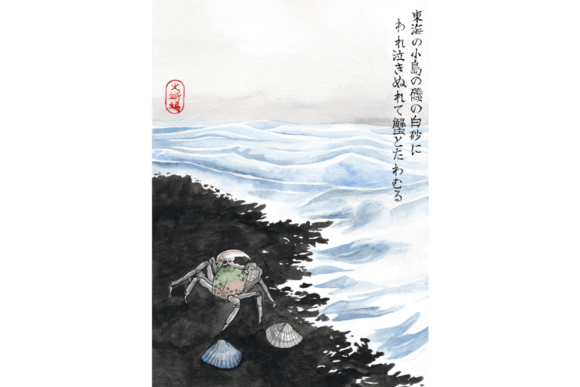
The Japanese Watercolor Zen Art Crab Image immediately stands out with its soft, flowing lines and gentle color blending. It feels like a hand-painted illustration translated into machine embroidery form—delicate, artistic, and intentional. The crab itself is stylized, not literal, which gives it a more symbolic or decorative quality. This makes it a strong fit for designs aiming to evoke a sense of calm, nature, or Eastern-inspired aesthetics.
From a designer’s eye, the layout is balanced and centered, which helps with placement on items like tote bags, sweatshirts, and baby clothes. The detail level is moderate—enough to capture attention but not so intricate that it risks getting lost in the stitching process. It carries a visual personality that leans more toward boutique-style branding or artisanal gift-making than mass-market appeal.
Real-Life Use: How It Performs Across Embroidery Applications
Testing the Japanese Watercolor Zen Art Crab Image on a custom tote bag was my first real-world test. I used medium-weight cotton canvas with a tear-away stabilizer. The design stitched cleanly, with smooth transitions between satin and fill stitches. The watercolor effect was maintained surprisingly well, especially in lighter thread shades. It gave the tote a soft, handcrafted look that would appeal to customers looking for something unique and understated.
When I transferred the same design to a sweatshirt, I noticed how well it handled the thicker fabric. The stitch density held up without puckering, and the overall shape remained intact. It worked especially well centered on the chest or slightly off to one side for a more casual, lifestyle-oriented look.
For baby items like a onesie or burp cloth, the crab image reads more as a whimsical design than literal marine life. It’s subtle enough to work for both boys and girls, and the soft color blending gives it a soothing quality that fits well in nursery decor or baby shower gifts.
Where to Use It Carefully: Fabric, Size, and Placement Considerations
One thing to watch with the Japanese Watercolor Zen Art Crab Image is small hoop sizes. If you're working with a 4x4 hoop, the design might feel cramped, especially if there are fine lines or color transitions that need space to breathe. You may need to simplify or resize depending on the file's original dimensions.
Textured or stretchy fabrics like fleece or knits can also impact how the watercolor effect comes through. On a stretchy hat fabric, for example, some of the softer edges blurred slightly, making the crab look less defined. A lightweight cutaway stabilizer helped, but it’s something to test before committing to a full run.
Dark fabrics can mute the subtler color gradients, so I recommend checking thread color contrast carefully. I did a black-and-white mockup first and adjusted the thread palette to ensure the crab remained visible and retained its artistic charm.
Impact on Product Appeal and Customer Perception
This design brings a strong visual personality that elevates the perceived value of handmade products. Whether it’s on a custom apron, a boutique tote, or a personalized tea towel, the Japanese Watercolor Zen Art Crab Image gives the item a curated, thoughtful feel. It suggests craftsmanship and attention to detail, which can help build customer trust and repeat sales.
From a branding perspective, it works well for small shops aiming for a minimalist or nature-inspired aesthetic. It’s not overly commercial or generic, which makes it a good fit for Etsy sellers or craft entrepreneurs who want to differentiate their product line.
In terms of giftability, this design has a quiet elegance that makes it appropriate for a wide range of occasions—baby gifts, housewarming presents, bridal shower favors, or even seasonal holiday items. It’s versatile enough to feel personal without being too niche.
Practical Designer Notes: What to Check Before Stitching
- Test on scrap fabric before stitching on your final product, especially if you're using textured or stretchy materials.
- Check thread color contrast to ensure the watercolor effect remains visible on both light and dark backgrounds.
- Review stitch density to prevent puckering, especially on thinner or delicate fabrics.
- Confirm hoop size matches your machine and the intended product area—resizing may be necessary for smaller items like patches or baby caps.
- Inspect small details like the crab’s eyes or fine lines to make sure they stitch cleanly and don’t get lost in the fabric texture.
- Test in black and white mockups to see how the design translates without color cues.
- Use proper stabilizer—a combination of tear-away and lightweight cutaway works best for most applications.
- Confirm licensing before using the design in commercial embroidery or for resale as a finished product or digital file.
Final Thoughts: A Thoughtful Addition to Your Embroidery Design Collection
The Japanese Watercolor Zen Art Crab Image isn’t a flashy design, but that’s exactly what makes it special. It offers a quiet sophistication that works well in both personal and small business embroidery projects. Whether you're creating a custom sweatshirt, a boutique tote, or a personalized baby blanket, this design brings a touch of artistry and intentionality that customers will notice.
For embroidery designers and Etsy sellers, it’s a great example of how a well-crafted illustration can translate beautifully into machine embroidery. It’s not just about the image itself—it’s about how it enhances the overall look and feel of the finished product. When used thoughtfully, the Japanese Watercolor Zen Art Crab Image can become a signature element in your creative toolkit.